
Got run-flats?
What is a run-flat tyre, and how do you tell?
What is a run flat tyre? It's a tyre with reinforced sidewalls that can carry the car for a limited distance after a puncture, so you can get somewhere safe instead of stopping at the roadside. You can tell if you have them from a marking on the sidewall, such as ZP, SSR, RFT or ROF, or from your car's handbook.
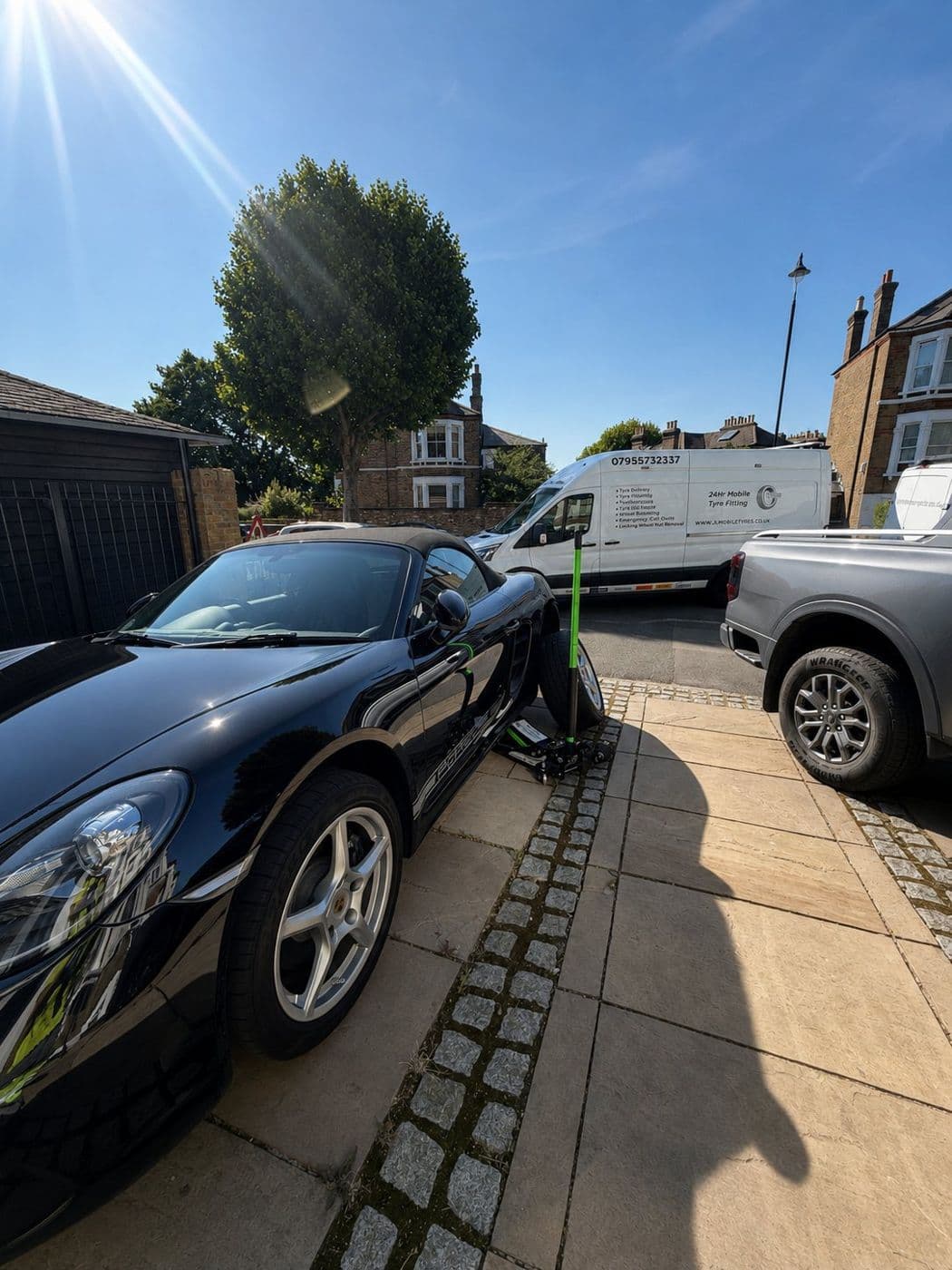
- How it works: stiffer sidewalls support the car's weight when the air has gone
- How far: Michelin gives up to 80 km (about 50 miles) at up to 80 km/h (about 50 mph); check your handbook
- How to tell: a run-flat marking on the sidewall, which varies by tyre maker
- Needs a pressure monitor: Michelin and Goodyear say the car must have a tyre pressure monitoring system
- We don't repair run-flats: we fit a new one at your car, in any brand and size
How a run-flat tyre works
An ordinary tyre is held up by the air inside it. When the air goes, the sidewall collapses and the wheel ends up close to the road.
A run-flat has reinforced sidewalls that can take the car's weight on their own. Michelin says they're designed to help support the car's weight after pressure is lost. Continental, which calls its version SSR (self-supporting runflat), says the reinforced sidewall stops the sidewall being crushed between the rim and the road, and stops the tyre slipping off the rim. Goodyear says its Run On Flat tyres let you continue at reduced speed until there's a safe place to have the tyre seen to.
How to tell if your tyres are run-flats
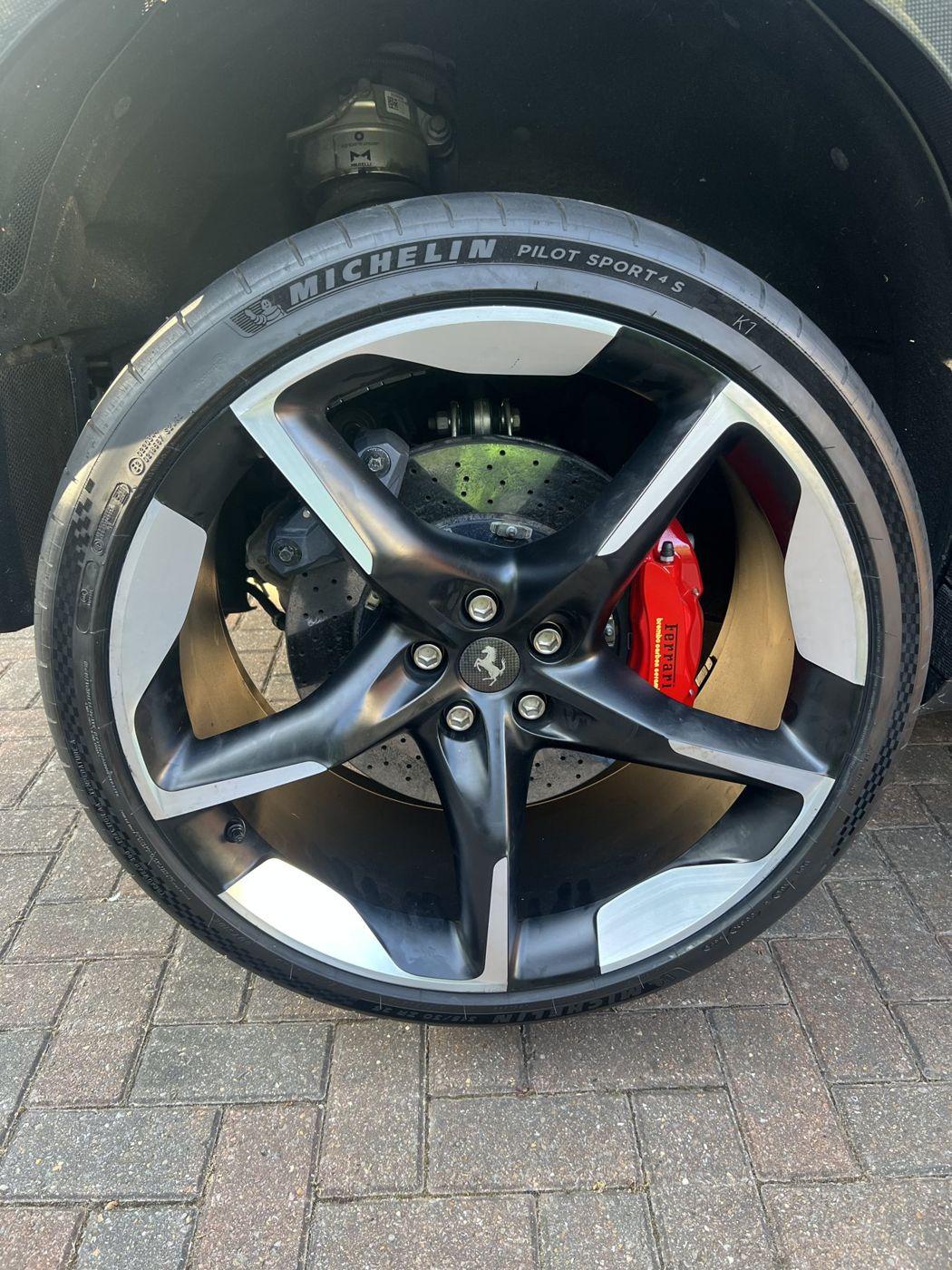
Look at the sidewall, the same place you'd find the tyre size. There's no single industry marking, so the code depends on who made the tyre. Michelin lists RFT, ROF and ZP among the names run-flats go by.
- ZP or EMT: Michelin says its run-flats carry one of these codes.
- SSR: Continental's self-supporting runflat tyres.
- ROF: Run On Flat, the name Goodyear uses for its run-flats.
- RFT: Run-Flat Technology, Bridgestone's name for its range.
- Not sure? Check your car's handbook, or send us a photo of the sidewall on WhatsApp and we'll read it for you, along with the tyre size.
Why cars with run-flats need a pressure warning light
Because you may not notice a puncture: the sidewalls keep the car up after the air has gone. Michelin says a car on run-flats must have a pressure monitoring system to warn the driver, and Goodyear says its run-flats are fitted only to cars with one.
So if the tyre pressure warning light comes on, treat it as a puncture until you know otherwise: slow down and check the tyres when it's safe to stop.
How far can you drive on a punctured run-flat?
Michelin gives up to 80 km (about 50 miles) at up to 80 km/h (about 50 mph), and says the real range depends on the load in the car, the outside temperature and the road. Your car's handbook has the figure for your tyres.
Treat that as the distance to somewhere safe, not a target. Goodyear's advice is to keep the journey as short as you can. The further a run-flat is driven without air, the less chance there is of a repair, and some makers don't allow one at all: see can a run-flat tyre be repaired?
An ordinary tyre is different: once it's flat, there's no safe distance. Our guide can you drive on a flat tyre? explains why.
No spare wheel? That's normal with run-flats
Many cars on run-flats don't carry a spare. Continental says a spare isn't needed with its SSR tyres, which frees up boot space and saves weight, and Michelin makes the same point. Continental also recommends fitting SSR tyres on all four wheels.
That means when a run-flat does need replacing, you can't swap a wheel and carry on. We bring the new tyre to the car instead.
Replacing a run-flat at your car
We don't repair run-flats; we fit a new one, in any brand and size. WhatsApp us a photo of the sidewall with where the car is and your locking wheel nut details, and you get a price and a real arrival time before the van leaves.
We fit it at home, at work, in a car park or at the roadside, torque the wheel to the manufacturer's figure and reset the TPMS with you. The call-out is from £80, plus the tyre.
- Warning light on, or stuck now: call or WhatsApp for emergency tyre fitting, 24 hours a day.
- Parked safely: book a time that suits you. A booked call-out costs less than an emergency one.
- Any other flat: start with what to do with a flat tyre.
Need it sorted now?
Emergency tyre fitting, at your car
FAQs
More questions
Anything else? Call us. It's quicker than reading.
How do I know if my car has run-flat tyres?
Look for a run-flat marking on the tyre sidewall, such as ZP or EMT on Michelin, SSR on Continental, ROF on Goodyear or RFT on Bridgestone. Your handbook will say too, or send us a photo of the sidewall and we'll tell you.
What does run flat mean on a tyre?
It means the tyre can keep carrying the car for a limited distance after losing its air, because its reinforced sidewalls hold the weight. It's meant to get you somewhere safe, not to carry on as normal.
Can you repair a run-flat tyre?
Some makers allow one repair under strict conditions and some don't allow any. We don't repair run-flats; we fit a new one. The detail is in can a run-flat tyre be repaired?
Do run-flat tyres need a pressure monitoring system?
Yes. Michelin says the car must have one to warn you of pressure loss, and Goodyear fits its run-flats only to cars that have one, because you may not feel the puncture.
Do cars with run-flat tyres have a spare?
Often not. Continental and Michelin both say run-flats make a spare unnecessary. Check under the boot floor, and if there's nothing there, we bring the replacement tyre to you.

Flat tyre right now?
Call or WhatsApp. You'll get a price and an arrival time before we set off.